
Greenery changes the feeling of a room. It breaks up hard lines, adds color, and makes a home feel more alive. But real plants are not always practical. Busy schedules, low-light rooms, travel, pets, and a simple lack of interest in plant care can make artificial plants for home decor a smart alternative.
The key is using them thoughtfully. A good artificial plant should not feel like an afterthought or a filler item. It should act like any other decorative element: it should add shape, texture, scale, and a sense of balance to the room.
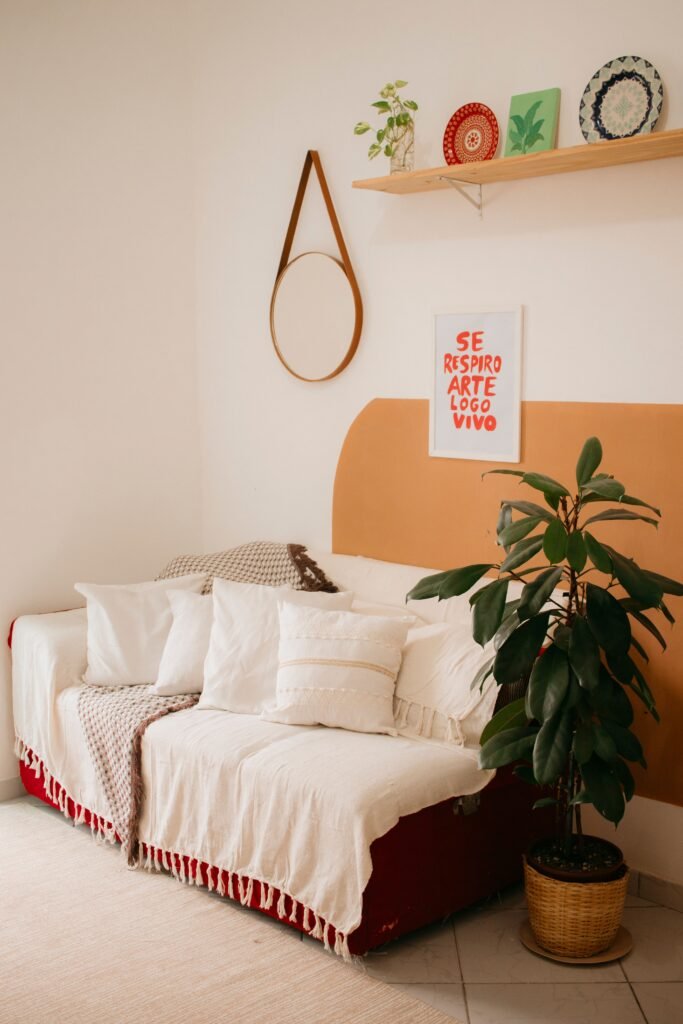
Used well, artificial greenery can bring a relaxed, fresh feeling to a living room, bedroom, bathroom, entryway, or office. It gives you the visual benefit of plants without adding another task to your weekly routine.
Choose a plant shape that fits the room
Before choosing a plant, think about what the room needs. Tall, upright greenery can add height to an empty corner. A trailing plant can soften a shelf or bookcase. A compact potted plant can bring life to a side table, nightstand, or bathroom counter. The shape matters as much as the color.
Do not choose a plant only because it is pretty on its own. Ask whether it fills a visual gap, balances a hard surface, or adds a needed layer. The most effective artificial plants for home decor solve a design problem while making the room feel more relaxed.
Pay attention to scale and proportion
A tiny plant on a large console table may look accidental. A massive floor plant in a narrow walkway can feel awkward. Measure the area and imagine the full scene before you decide. Consider the height of nearby furniture, the width of the surface, and the amount of open space around it.
In many cases, one medium or large plant has more impact than several small ones scattered around the room. It gives the eye a clear place to land. Smaller plants work best when they are part of a simple grouping with books, a lamp, or a decorative object.
Use planters as part of the decor
The container matters. A plant can look more polished when the planter supports the style of the room. Ceramic can feel soft and tactile. A woven basket can add warmth. A clean, simple pot can work in a modern space. The plant and planter should read as one complete piece.
You can also use the planter to repeat materials already in the room. If there is wood, woven texture, matte metal, or warm ceramic elsewhere, an echo of that finish can make the plant feel integrated instead of placed there at the last minute.
Style greenery in overlooked spaces
Artificial plants are especially useful in spots that need visual energy but are hard to maintain. Think of a bathroom shelf, high bookcase, dark hallway, entry table, or office corner. These areas can benefit from greenery even when real plants would struggle.
Try using one plant to soften a sharp furniture edge, add color near a mirror, or make a shelf display feel less rigid. In rooms with many neutral colors, greenery can create contrast without introducing a strong new color palette.
Keep the arrangement believable and clean
The best artificial greenery looks intentional because it is not overused. You do not need a plant in every corner. Choose a few places where it will make a real difference, then leave room for the rest of the decor to breathe.
Keep leaves dust-free and adjust the stems so they look natural. Spread branches gently, bend flexible stems when appropriate, and avoid placing the plant in a container that is too small. Simple styling makes a bigger difference than adding more accessories.
Mix greenery with other natural-looking materials
Artificial plants work beautifully with materials that already feel warm and organic: wood, ceramics, woven fibers, stone-look surfaces, and soft textiles. The contrast between a green plant and a natural material can make a room feel more layered without looking overly decorated.
This is also a good way to create a home that feels fresh year-round. You can keep the same greenery and update a few surrounding details as seasons change. A neutral planter, a textured tray, or a decorative vase can help the plant work in many different styles.
Use greenery as a finishing layer
Add the plant after the bigger pieces of the room are in place. This makes it easier to see where the room needs softness or height. Greenery works best as a finishing touch that connects the furniture, light, and decorative objects already in the space.
A simple greenery plan for each room
Use tall greenery for empty floor corners, medium plants for console tables or shelving, and small plants for bedside tables, bathrooms, or desks. This creates variation without making every room look the same. It also gives each plant a job, which makes the overall decor feel more intentional.
When in doubt, choose the spot that feels visually unfinished rather than adding greenery everywhere. A single plant near a mirror, a lamp, or a stack of books can make those objects feel like part of a complete scene. The effect is subtle but powerful because it softens the room without demanding attention.
For an even more natural result, vary the height and direction of the leaves before placing the plant. Artificial greenery can look flat when it comes straight out of the box, but a few gentle adjustments help it feel more dimensional. Pair it with a planter that has enough weight and scale, and the arrangement will look more convincing from across the room.
Give yourself a few days to live with the change before you decide the room is finished. Notice how it feels when you enter, whether it is easier to use, and whether the details still work at different times of day. This pause keeps you from over-correcting too quickly and helps the final choices reflect your own routine instead of a single photo or passing trend. Small changes often have the clearest effect when you give them enough time to settle into everyday life.
Quick checklist
- Choose the plant shape based on what the room needs: height, softness, or color.
- Match the size of the plant to the furniture and open space around it.
- Use a planter that supports the room’s style and repeated materials.
- Place greenery where real plants may be difficult to maintain.
- Keep the leaves clean and the stems arranged naturally.
Before you finish
After placing a plant, step back and look at the whole room. If it feels like the plant is competing with everything else, move it to a quieter spot. If it disappears, try a larger planter or a more visible location. The right placement should make the room feel more complete, not more crowded.
Zauber Haus offers greenery and decorative pieces that make it easy to bring a natural touch into your home without turning plant care into another obligation.
Start with one corner that feels flat or forgotten. Artificial plants for home decor can be a simple way to bring color, texture, and a more relaxed feeling into the spaces you use every day.