
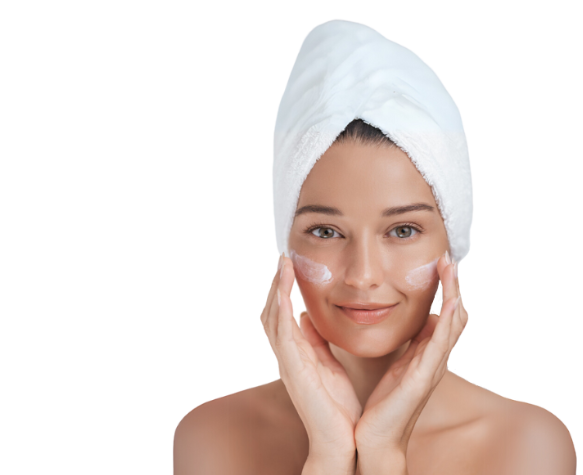
Self-care has become more than a trend. In recent years, it has evolved into a broader movement focused on wellness, mental health, and sustainable lifestyle habits.
One important part of this movement is developing a consistent self care body routine.
While many people invest heavily in facial skincare, dermatology experts increasingly emphasize that the skin on the body deserves equal attention. The body’s skin covers a much larger area and is exposed daily to environmental stressors such as friction, UV exposure, dehydration, and pollution.
According to dermatology research, maintaining consistent body care habits may support:
- skin hydration
- barrier function
- texture and smoothness
- long-term skin health
Instead of complicated routines involving dozens of products, modern skincare trends focus on simple, science-supported habits practiced consistently over time.
Concepts such as Skin Longevity, Barrier Repair, and Skinimalism are reshaping how dermatologists and skincare experts approach body care in 2026.
This article explores seven science-backed body care habits that may help support healthier skin while also contributing to overall wellness.
Habit 1 – Protect the Skin Barrier
One of the most important goals of modern skincare is protecting the skin barrier.
The skin barrier, also known as the stratum corneum, is the outermost layer of the skin. It plays a critical role in protecting the body from environmental damage while preventing moisture loss.
When this barrier is functioning properly, the skin is better able to retain hydration and resist irritants.
However, several common habits can weaken the skin barrier, including:
- frequent hot showers
- harsh soaps or cleansers
- excessive exfoliation
- environmental pollution
- dehydration
Dermatologists increasingly emphasize the concept of Barrier Repair, which focuses on restoring and strengthening this protective layer.
Products designed to support barrier repair often contain ingredients such as:
- ceramides
- niacinamide
- fatty acids
- panthenol
Research suggests that these ingredients may help restore the lipid structure of the skin barrier, allowing the skin to retain moisture more effectively.
Supporting the skin barrier is a foundational step in any effective self care body routine.
Habit 2 – Use Microbiome Friendly Skincare
In recent years, scientists have discovered that the skin is home to a complex ecosystem of microorganisms known as the skin microbiome.
These microorganisms play a crucial role in maintaining skin health by helping regulate inflammation and protecting against harmful bacteria.
The concept of Microbiome Friendly Skincare focuses on preserving this delicate microbial balance.
Certain skincare ingredients may disrupt the microbiome, especially harsh surfactants or antibacterial agents used unnecessarily.
Instead, dermatologists often recommend choosing products that are:
- pH balanced
- sulfate-free
- dermatologist tested
- formulated to support microbiome balance
Maintaining a healthy microbiome may help support:
- skin hydration
- reduced irritation
- balanced skin function
While research in this field is still evolving, microbiome-focused skincare is becoming one of the most promising areas in dermatology.
Habit 3 – Prioritize Consistent Hydration
Hydration plays a central role in maintaining skin comfort and elasticity.
The outer layer of the skin naturally loses water throughout the day through a process known as transepidermal water loss (TEWL).
Without adequate hydration, the skin may become:
- dry
- rough
- more prone to irritation
Moisturizers work by supporting the skin barrier and helping retain water within the skin.
Dermatologists often recommend ingredients such as:
- glycerin
- hyaluronic acid
- ceramides
- urea
These ingredients attract moisture to the skin and help prevent excessive water loss.
Consistent hydration is also closely linked to the concept of Skin Longevity, which focuses on maintaining healthy skin function over long periods of time.
Instead of focusing solely on cosmetic anti-aging treatments, this approach emphasizes daily habits that support the skin’s natural resilience.
Habit 4 – Practice Skinimalism
In the past decade, skincare routines became increasingly complex. Some routines included ten or more products applied in sequence.
However, dermatologists are now promoting a more balanced approach known as Skinimalism.
Skinimalism encourages individuals to simplify their routines and focus on fewer products with well-researched ingredients.
This approach offers several benefits:
- reduced risk of irritation
- easier consistency
- lower product overload
- better focus on skin barrier health
A simple routine often includes:
- gentle cleanser
- moisturizer
- sunscreen (during daytime)
For body care, this may translate into a routine consisting of:
- a microbiome-friendly body cleanser
- a barrier-repair moisturizer
- occasional exfoliation
Skinimalism supports the idea that consistency and quality ingredients matter more than the number of products used.
Habit 5 – Support Mental Wellbeing Through Psychodermatology
The relationship between mental health and skin health is gaining increasing attention in the field of Psychodermatology.
Psychodermatology studies how emotional stress may influence skin conditions such as:
- eczema
- acne
- psoriasis
- skin sensitivity
Stress can activate inflammatory responses in the body, which may affect the skin.
For this reason, many skincare experts encourage self-care routines that incorporate relaxation practices alongside physical skincare.
Examples include:
- mindfulness or meditation
- relaxing bath rituals
- aromatherapy
- breathing exercises
These practices may support both emotional wellbeing and skin comfort.
Habit 6 – Explore Neurocosmetics
A newer category of skincare products known as Neurocosmetics focuses on the connection between the nervous system and the skin.
The skin contains numerous nerve endings that respond to environmental stimuli.
Neurocosmetic formulations aim to support skin comfort by interacting with this sensory network.
Some ingredients used in neurocosmetic products include:
- calming peptides
- botanical extracts
- adaptogenic plant compounds
These ingredients are often designed to promote a soothing sensory experience while supporting the skin barrier.
Although this field is still developing, early research suggests that reducing stress-related inflammation may support healthier skin function.
Habit 7 – Adapt Your Routine with Hormone-Synced Skincare
Hormones play an important role in regulating skin behavior.
Changes in hormonal levels may influence:
- oil production
- skin sensitivity
- hydration levels
- inflammation
This has led to the rise of Hormone-Synced Skincare, a trend that encourages adjusting skincare routines according to hormonal fluctuations.
For example, some individuals notice that their skin becomes more sensitive during certain phases of their hormonal cycle.
During these periods, dermatologists may recommend:
- gentler cleansers
- increased hydration
- barrier repair products
This personalized approach allows individuals to respond to the changing needs of their skin.
The Growing Trend of Prejuvenation
Another emerging concept in skincare is Prejuvenation.
Rather than focusing on reversing visible signs of aging, prejuvenation emphasizes preventive care at earlier ages.
This approach is particularly popular among younger generations such as Gen Z and Gen Alpha.
Preventive skincare habits may include:
- consistent sunscreen use
- hydration routines
- barrier repair support
- avoiding excessive product use
By maintaining healthy skin habits early, individuals may help support skin longevity over time.
Building a Sustainable Self Care Body Routine
Creating a sustainable routine is often more effective than adopting complex or expensive regimens.
A balanced self-care body routine may include:
Daily
- gentle cleansing
- moisturizing
- sun protection when exposed to sunlight
Weekly
- gentle exfoliation
- relaxing self-care rituals
Occasionally
- body masks
- professional skincare treatments if recommended by dermatologists
Consistency is the most important factor.
Conclusion
Developing a consistent self care body routine does not require complicated products or time-consuming rituals.
Instead, focusing on science-backed habits can help support long-term skin health.
These habits include:
- protecting the skin barrier
- using microbiome friendly skincare
- maintaining proper hydration
- practicing skinimalism
- supporting mental wellbeing through psychodermatology
- exploring neurocosmetic innovations
- adapting skincare through hormone-synced routines
Together, these strategies align with the modern concept of Skin Longevity, which focuses on maintaining healthy skin function rather than simply addressing cosmetic concerns.
By practicing consistent habits and choosing well-researched skincare products, individuals can support healthier, more resilient skin over time.
Disclaimer
This article is intended for educational purposes and reflects current dermatology research and skincare trends. It is not intended to replace professional medical advice. Always consult a qualified dermatologist or healthcare professional for personalized skincare recommendations.