
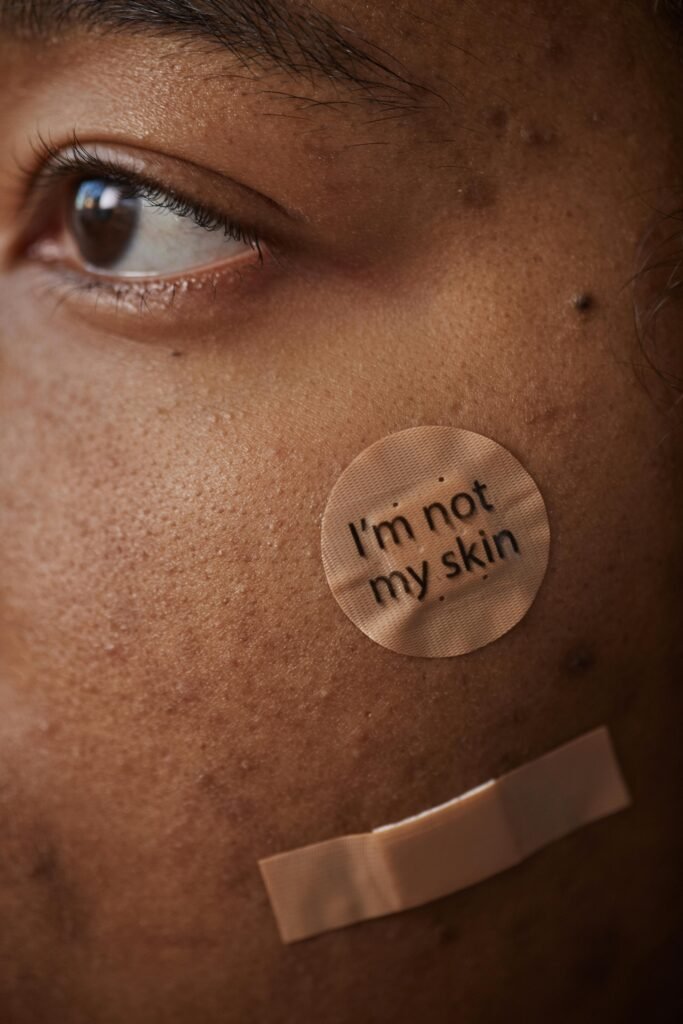
Adult acne presents a unique set of challenges compared to teenage acne, often stemming from a combination of complex factors that can complicate treatment. While teenage acne is typically associated with hormonal changes during puberty, adult acne can arise from a range of issues, including persistent inflammation, hormonal imbalances, and heightened skin sensitivity. Understanding these causes is essential for effective management.
Hormonal fluctuations play a significant role in adult acne:
Conditions such as premenstrual syndrome (PMS), polycystic ovary syndrome (PCOS), or menopause can lead to increased oil production and clogged pores. This is often exacerbated by stress, which can trigger hormonal changes and lead to breakouts. Furthermore, adults may experience a higher level of skin sensitivity, making it crucial to choose products that do not aggravate their already compromised skin barrier.
Another contributing factor is the impact of lifestyle choices, including diet, sleep patterns, and stress levels. For many adults, a busy lifestyle can lead to poor dietary choices, lack of sleep, and increased stress—all of which can promote acne development. Additionally, the overuse of topical products or harsh treatments intended for oily or teenage skin can further irritate adult skin, complicating the treatment process.
It is also worth noting that some adults may experience a condition known as ‘maskne,’ a term that has gained attention during the COVID-19 pandemic. The prolonged use of face masks can trap moisture and heat, leading to breakouts in individuals who never previously experienced acne. This phenomenon underscores the need for a tailored approach when managing adult acne, focusing on the specific needs of the skin and the underlying causes.
In-Clinic Protocols for Effective Adult Acne Treatment
Managing adult acne requires a multifaceted approach, particularly within a clinical environment that offers various professional treatment protocols. One essential procedure is proper cleansing techniques, which serve as the foundation of any successful acne management plan. Skincare professionals typically utilize gentle, yet effective, cleansers specifically formulated for adult skin. These products not only remove impurities but also help to maintain the skin’s natural moisture barrier, essential for avoiding irritation and exacerbation of acne.
Controlling inflammation is another critical component of in-clinic treatments. Professionals often employ anti-inflammatory agents during procedures such as chemical peels or laser therapies. These interventions can significantly reduce redness and swelling, leading to clearer skin. Treatments may include the application of salicylic acid, which is known for its ability to penetrate pores and reduce inflammation, or the use of light therapy, which targets the underlying bacteria responsible for acne without causing further irritation.
Additionally, gentle renewal methods are integral for managing sensitive adult skin affected by acne. Procedures like microdermabrasion and enzymatic peels are tailored to exfoliate without causing excessive scrubbing that could harm delicate skin. These treatments promote cell turnover, allowing for the sloughing off of dead skin cells while revealing a fresher complexion. As these methods are implemented, skincare professionals must account for individual skin types and conditions to minimize risks and enhance efficacy.
Moreover, the role of trained skincare professionals cannot be overstated. They create personalized treatment plans that consider a patient’s unique skin type, lifestyle, and specific concerns. Regular follow-up appointments allow practitioners to adjust treatments as necessary, ensuring continued progress in combating adult acne and achieving the desired outcomes in skin health.
Home Care Essentials: Optimal Product Routines
Managing adult acne effectively requires a comprehensive home care regimen that complements professional treatments. To achieve this, individuals should focus on incorporating products specifically designed to regulate sebum production while providing calming effects on the skin. The primary goal of these products is to minimize the occurrence of breakouts while promoting a healthier complexion.
First and foremost, cleansing is a critical step in any skincare routine. A gentle, foaming cleanser that includes salicylic acid can help to unclog pores and reduce excess sebum. Salicylic acid is known for its exfoliating properties, making it an ideal ingredient for individuals with acne-prone skin. Following cleansing, the integration of a toner can enhance the effectiveness of the routine. Look for toners that contain witch hazel or niacinamide, which can help to minimize pores and soothe irritated skin.
In addition to cleansing and toning, moisturizing is vital for maintaining skin hydration without exacerbating acne. A lightweight, oil-free moisturizer with hyaluronic acid can provide necessary moisture while helping to control oil production. Furthermore, incorporating a targeted treatment containing benzoyl peroxide into the regimen can help to reduce the bacteria responsible for acne development.
Lastly, it is essential to include sunscreen in the daily routine, as many acne treatments can increase skin sensitivity to the sun. Choose a non-comedogenic sunscreen that offers broad-spectrum protection to safeguard the skin without clogging pores. By integrating these essential products into a daily skincare routine, clients can effectively maintain the progress achieved through professional treatments and minimize the risk of future breakouts.
Technology and Treatments: Accelerating Recovery with LED Therapy
In the realm of acne treatment, LED therapy has emerged as a revolutionary technology that offers promising results for adults dealing with acne. This non-invasive treatment involves the use of specific wavelengths of light to target the underlying causes of acne, such as inflammation and bacteria, which are often responsible for breakouts.
LED therapy comes in various colors, each designed to address different aspects of skin health. For instance, blue light is particularly effective in reducing the bacteria known as Propionibacterium acnes, which contributes to acne formation. On the other hand, red light excels in reducing inflammation and promoting healing, making it highly beneficial for post-acne scars and irritation. By incorporating LED therapy into both professional treatments and at-home routines, individuals can experience accelerated recovery from acne.
The incorporation of LED therapy into skincare regimens is well-supported by research, highlighting its capability to improve skin clarity and texture. Patients often report a decrease in the frequency and severity of breakouts after regular sessions. Furthermore, the treatment is generally safe for all skin types and does not come with significant downtime, making it an attractive option for busy adults.
When combined with traditional therapies and a well-structured home care routine, LED therapy can play a complimentary role in a holistic approach to treating adult acne. It not only aids in the immediate reduction of blemishes but also fosters long-term skin health by enhancing the skin’s natural healing processes. As advancements in technology continue to evolve, LED therapy stands out as a forward-thinking solution for those in search of effective treatments for adult acne.