
A room can have beautiful furniture, a great rug, and carefully chosen accessories and still feel unfinished. Often, the issue is not the furniture. It is the light. Lighting affects how colors look, how large a room feels, and whether the space feels energizing, calm, or flat.
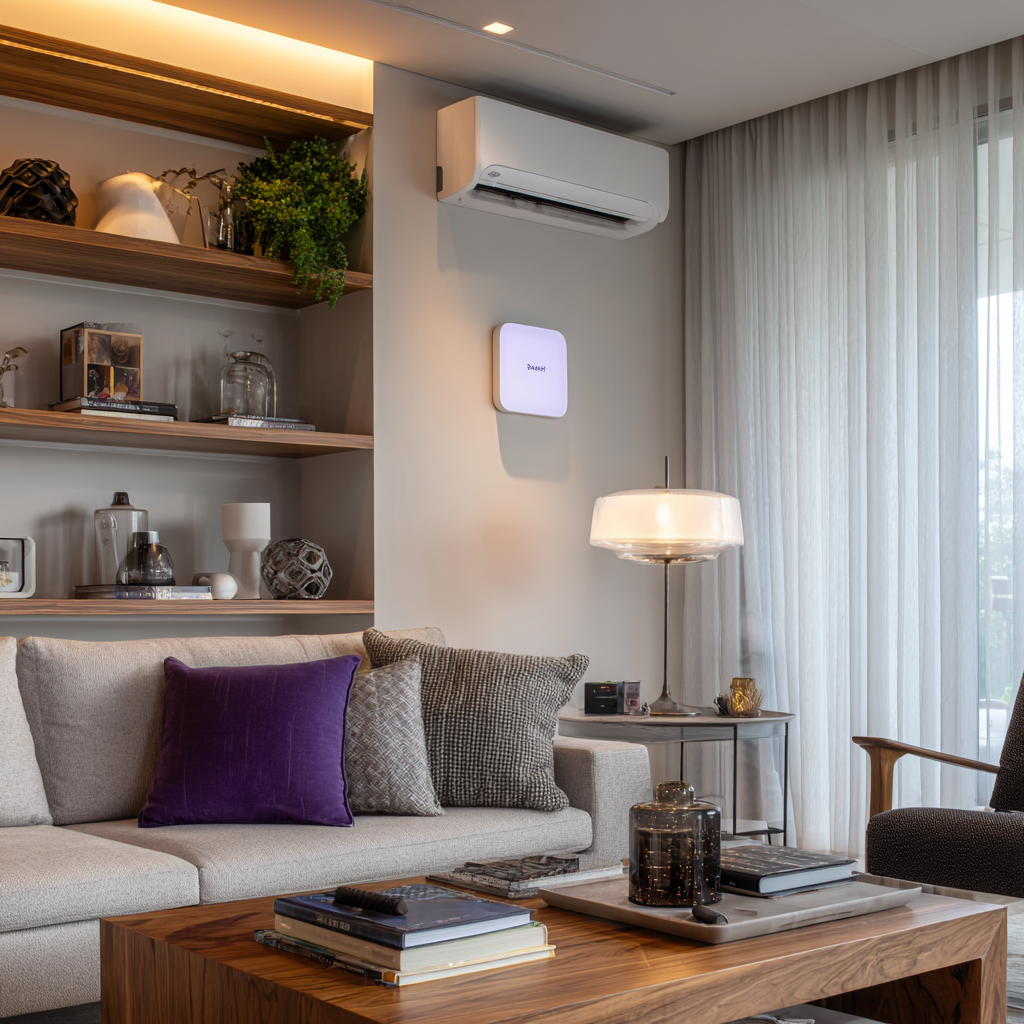
Many people treat lighting as the final step in decorating.
They choose a ceiling fixture, add a bulb, and stop there.
But living room and bedroom lamps do much more than brighten a corner.
They create atmosphere, make everyday tasks easier, and help a home feel more layered after the sun goes down.
Choosing the right lamp starts with function, then moves to style. Once you know what the room needs, it becomes much easier to select a piece that looks good, fits the scale of the space, and makes your home more enjoyable to use.
Start with what the light needs to do
In the living room, lighting may need to support conversation, television, reading, board games, or relaxed evenings. In the bedroom, it may need to help you get dressed, wind down, read, or move around without turning on a harsh overhead light. The same lamp cannot solve every need, so begin by naming the job of each light source.
A table lamp by the sofa can be useful for reading and atmosphere. A bedside lamp can make the nighttime routine feel easier. A lamp on a console can highlight a decorative vignette and soften a dark corner. The best living room and bedroom lamps are not chosen only for their silhouette. They are chosen because they make the room work better.
Use layered lighting instead of one bright source
Overhead lighting has a purpose, but it rarely creates the most comfortable mood by itself. A room becomes more inviting when you can choose between general light, task light, and accent light. This gives you control over the environment instead of forcing one level of brightness for every moment.
Try using a ceiling light for general visibility, a table or floor lamp for focused use, and a smaller accent lamp to soften the edges of the room. The result feels more dimensional. Shadows are gentler, details are easier to see, and the room gains the kind of depth that makes it look more thoughtfully designed.
Pay attention to scale and height
A lamp may be beautiful on its own and still look wrong in a room if its scale is off. A tiny lamp can disappear beside a large sofa. A tall, bulky lamp can overwhelm a narrow nightstand. Before choosing, measure the table, the height of the seating, and the available surface area.
For bedside lamps, consider where the bottom of the shade will sit relative to your eyes when you are in bed. You want useful light without direct glare. For living room lamps, make sure the light reaches the area where it is needed, whether that is a reading chair, sofa arm, or tabletop. A few minutes of measuring can prevent a disappointing purchase.
Choose a design that still adds style when the lamp is off
Lamps are decorative objects even when they are not turned on. Their base, shade, material, and shape all affect the room. A ceramic lamp can bring softness and texture. A metal finish can add contrast. A sculptural base can create a focal point on a console or nightstand.
You do not need every lamp in your home to match exactly. Instead, look for a visual thread. Similar finishes, comparable scale, repeated curves, or a related color family can create unity. A coordinated mix often looks more collected and personal than a room full of identical lamps.
Set the mood for different times of day
Good lighting gives a room flexibility. During the day, your home may feel open and bright. At night, it should be able to shift into something more restful. Lamps make this transition easy. They allow you to keep the room functional while creating a more relaxed atmosphere.
In a bedroom, a bedside lamp is an invitation to slow down. In a living room, a lamp near the sofa can make a movie night, a conversation, or a quiet hour feel more comfortable. That is why lighting is often one of the highest-impact changes you can make without changing the entire room.
Avoid the common lighting mistakes
Do not buy a lamp only because it looked good in a product photo. Think about where the outlet is, whether the cord can be managed neatly, how high the lamp will sit, and whether the shade will block sightlines or crowd the table. Practical details affect whether a lamp becomes useful or frustrating.
Also avoid the idea that every bulb and every lamp needs to be the same. A home feels more natural when it has a mix of light sources. What matters is that the overall temperature and mood feel consistent enough for the rooms to work together.
Test the room after dark
Do not judge lighting only in the daytime. Sit in the room after sunset, turn on the lamps you plan to use, and notice where you need more light or less glare. The best lighting plan is the one that looks and feels good from the places where you actually spend time.
A simple lighting plan for one room
Start by dividing the room into three needs: general visibility, a task area, and atmosphere. General visibility may come from a ceiling fixture. The task area may be the chair where you read or the nightstand beside the bed. Atmosphere comes from the lamp that makes the room feel softer once the main activity of the day is over.
You do not need to solve all three needs at once. Begin with the area that feels least comfortable after sunset. Add a lamp there, then see how the room changes. This targeted approach keeps you from buying lighting that looks attractive but does not improve the way the space is used.
One more detail matters: placement should feel natural from the way you enter and move through the room. A lamp that sits too far away or creates a blocked pathway will never feel as helpful as one that is easy to reach. Practical comfort is part of good design, and it is often what turns a beautiful lamp into a piece you use every day.
Quick checklist
- Define each lamp’s job: reading, bedside use, general mood, or decorative accent.
- Measure the table or surface before selecting a lamp.
- Use at least one source of indirect light in the living room and bedroom.
- Choose a lamp that looks intentional even when switched off.
- Check outlet placement, cord length, and shade height before ordering.
Before you finish
Once your lamps are in place, turn them on at night and look at the room from where you actually sit. Notice whether the light supports the way you use the space. Adjust the position, add a dimmer when appropriate, and keep refining until the room feels comfortable instead of simply bright.
Zauber Haus offers lighting pieces designed to be part of the decor, not an afterthought.
The right lamp can improve a practical need while giving the room more warmth, depth, and personality.
Start with one corner. The best living room and bedroom lamps can change the feeling of a whole room long before you change the furniture.