
In recent years, skincare has evolved from a simple hygiene habit into a sophisticated wellness practice. While facial skincare routines have received most of the attention, dermatology experts increasingly emphasize that body care is just as important for long-term skin health.
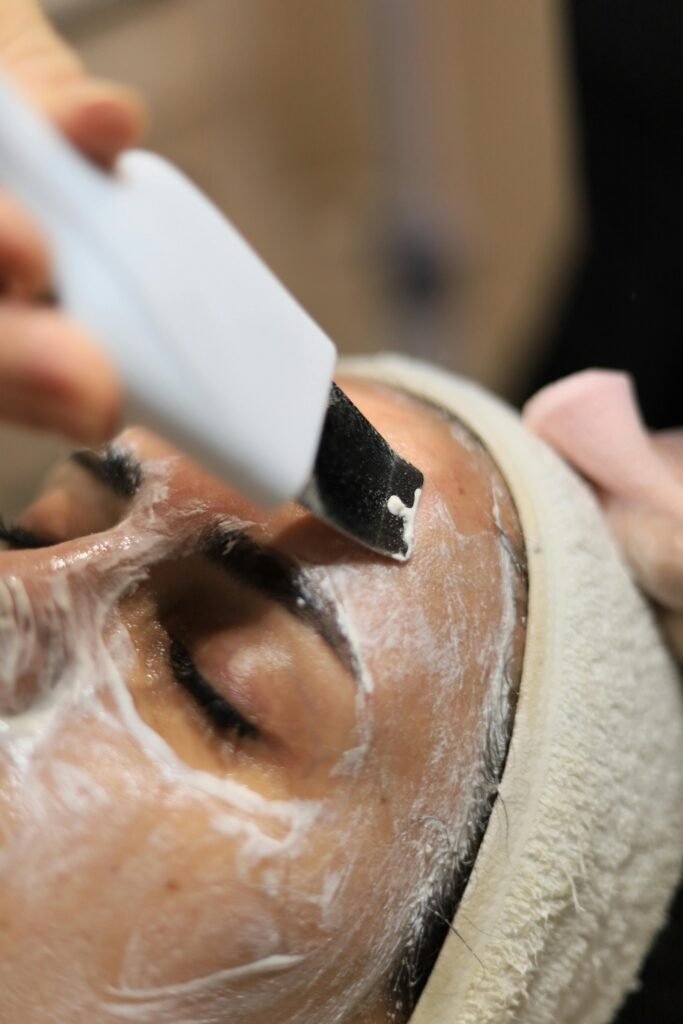
The skin is the largest organ of the human body and acts as a protective barrier against environmental stressors such as pollution, UV exposure, friction from clothing, and dehydration. When this barrier becomes compromised, the skin may experience dryness, irritation, and accelerated visible aging.
This is why modern dermatology trends in 2026 focus on concepts such as:
- Barrier Repair
- Skin Longevity
- Microbiome Friendly Skincare
- Skinimalism
Instead of complicated routines, many dermatologists now recommend simple, consistent skincare habits supported by scientific research.
The good news is that maintaining healthy skin doesn’t require hours of effort. A consistent 10-minute body care routine may help improve hydration, support the skin barrier, and contribute to healthier-looking skin over time.
In this guide, you’ll learn:
- How to build a science-backed body care routine
- Why barrier repair is essential for skin health
- How hydration and microbiome balance affect the skin
- Emerging skincare technologies such as PDRN and Exosomes
Why Body Care Is Essential for Skin Health
The skin performs several critical functions:
- protecting the body from environmental stressors
- regulating temperature
- preventing water loss
- supporting immune defense
However, daily habits can weaken the skin barrier. According to dermatology research, the most common stressors include:
- frequent hot showers
- harsh cleansers
- excessive exfoliation
- environmental pollution
- chronic stress
When the skin barrier is damaged, people may notice symptoms such as:
- dryness
- rough texture
- increased sensitivity
- inflammation
- early visible signs of aging
Because of this, many dermatologists now prioritize Barrier Repair, a skincare strategy focused on restoring and protecting the outer layer of the skin.
The Rise of Skin Longevity
For decades, skincare marketing focused heavily on the concept of anti-aging.
However, modern dermatology has shifted toward a more holistic concept called Skin Longevity.
Rather than attempting to “reverse aging,” skin longevity focuses on maintaining healthy skin function over time.
Research suggests that long-term skin health depends on several factors:
- maintaining proper hydration
- protecting the skin barrier
- supporting collagen production
- minimizing chronic inflammation
This approach aligns with broader wellness trends that prioritize prevention and sustainability instead of quick cosmetic fixes.
Step-by-Step: A 10-Minute Body Care Routine
A consistent routine does not need to be complicated. In fact, the Skinimalism trend encourages people to focus on fewer products with well-researched ingredients.
Below is a practical routine that can be completed in about ten minutes.
Step 1 – Gentle Cleansing
Cleansing removes sweat, pollution, and impurities that accumulate on the skin throughout the day.
However, harsh soaps can strip away natural oils and disrupt the skin microbiome.
The skin microbiome consists of beneficial microorganisms that help maintain skin balance and defense.
Many dermatologists now recommend Microbiome Friendly cleansers, which are designed to clean the skin without disrupting beneficial bacteria.
When selecting a cleanser, look for formulas that are:
- sulfate-free
- pH balanced
- dermatologist tested
Using lukewarm water instead of very hot water may also help protect the skin barrier.
Step 2 – Strategic Body Exfoliation
Exfoliation removes dead skin cells that accumulate on the surface of the skin.
When done correctly, exfoliation may help improve:
- skin texture
- product absorption
- overall radiance
However, excessive exfoliation can damage the skin barrier.
Dermatologists typically recommend exfoliating the body once or twice per week rather than daily.
Exfoliation methods include:
Physical exfoliation
Using scrubs or textured tools to remove dead skin cells.
Chemical exfoliation
Using ingredients such as alpha-hydroxy acids (AHAs) or enzymes to dissolve dead cells.
Choosing gentle formulations can help prevent irritation while still supporting skin renewal.
Step 3 – Deep Hydration
Hydration is one of the most important steps in any body care routine.
Moisturizers work by:
- attracting water to the skin
- sealing moisture into the skin barrier
- supporting elasticity
Dermatologist-recommended moisturizing ingredients often include:
- Ceramides – help restore the skin barrier
- Hyaluronic Acid – binds water to the skin
- Glycerin – supports hydration retention
Some modern skincare formulations also include PDRN (Polydeoxyribonucleotide).
PDRN is a biotechnological ingredient studied in regenerative dermatology. Research suggests that it may support tissue recovery and cellular repair processes.
Although studies are still ongoing, PDRN has gained popularity in advanced skincare treatments.
Step 4 – Barrier Repair Support
Barrier repair has become one of the most important skincare concepts in recent years.
The skin barrier consists of lipids, proteins, and cells that form a protective shield against external damage.
When this barrier is weakened, the skin loses moisture more easily.
Ingredients often used in barrier repair skincare include:
- ceramides
- niacinamide
- panthenol
These ingredients are commonly found in dermatologist-recommended moisturizers designed to support skin barrier recovery.
Clinical research suggests that strengthening the skin barrier may help reduce irritation and improve hydration.
Step 5 – Stress-Reducing Skincare
Skin health is closely connected to overall wellbeing.
Chronic stress can influence inflammation and may worsen certain skin conditions.
The emerging field of Psychodermatology studies the connection between emotional health and skin conditions.
In response, some skincare brands are developing Neurocosmetics.
Neurocosmetic formulations often include calming ingredients that may support skin comfort and relaxation.
Examples include:
- lavender extract
- adaptogenic plant compounds
- soothing peptides
While these products are not medical treatments, they may contribute to a relaxing skincare routine.
Emerging Skincare Technology: Exosomes
One of the most discussed innovations in regenerative skincare is Exosome technology.
Exosomes are microscopic vesicles involved in cellular communication.
Researchers are currently studying their potential role in skin regeneration and collagen stimulation.
Early studies suggest that exosomes may support processes such as:
- cellular repair
- collagen production
- tissue regeneration
However, dermatologists emphasize that more clinical research is still needed to fully understand their long-term effects in skincare.
Hormone-Synced Skincare
Another growing trend is Hormone-Synced Skincare, which adapts skincare routines based on hormonal fluctuations.
Hormonal changes can influence several aspects of skin behavior, including:
- oil production
- hydration levels
- sensitivity
For example, some individuals notice increased skin sensitivity during certain phases of their hormonal cycle.
Adjusting skincare products during these phases may help maintain balance and comfort.
Common Body Care Mistakes
Even people who follow skincare routines may unknowingly make mistakes that harm their skin barrier.
Common mistakes include:
Over-exfoliation
Frequent exfoliation can weaken the skin barrier.
Using harsh cleansers
Products with aggressive surfactants may strip natural oils.
Skipping moisturizer
Without hydration, the skin barrier may become compromised.
Taking extremely hot showers
Hot water can remove protective lipids from the skin.
Correcting these habits may significantly improve skin comfort and hydration.
The Future of Body Care
The body care industry continues to evolve rapidly as research in dermatology advances.
New technologies and trends shaping the future of skincare include:
- Exosome-based formulations
- Microbiome-friendly skincare
- Biotechnology ingredients such as PDRN
- Minimalist routines inspired by Skinimalism
These innovations aim to support long-term skin longevity, focusing on healthy skin function rather than quick cosmetic fixes.
Conclusion
Maintaining healthy skin does not require complicated routines or dozens of products.
A simple 10-minute body care routine, practiced consistently, may help support:
- hydration
- skin barrier strength
- smoother texture
- long-term skin health
By focusing on science-backed skincare principles such as Barrier Repair, Skin Longevity, and Microbiome balance, individuals can build sustainable habits that support healthier skin over time.
Small daily habits often make the biggest difference.
Disclaimer
This article is intended for educational purposes and is based on current dermatology research and skincare trends. It is not intended to replace professional medical advice. Always consult a qualified dermatologist or healthcare professional for personalized skincare recommendations.